

March 12, 2026
Smokecraft BBQ, Arlington, Virginia
Sometimes it’s okay to be a little messy, like your bedroom floor when you’re in a rush, or your t-shirt after eating birthday cake ice cream (okay, maybe that’s just us). Other times, being messy can lead to chaos. And when it comes to restaurant operators managing their back office, being messy can lead to much more serious consequences than a few sprinkles left on your shirt.
Whether you’re a seasoned restaurateur or new to the scene, you’re probably familiar with one of the most universal aspects of restaurant life: tackling your back office. Whether you’re managing payroll and scheduling, making sure inventory is up-to-date or paying vendors, your back office is one of the backbones of your business. But what happens when things go from a little messy to out of control? Does digitizing your back office really have that much of an impact on your business?
![[Download Now]: Food Waste Calculator](https://no-cache.hubspot.com/cta/default/6423873/ac4e1e9a-7df9-4f58-b946-4bd3e60ec22f.png)
Before we get into a few ways not digitizing your back office may be stunting your restaurant’s growth (and preventing you from reaching a few of your business goals), let’s take a look at a few of the unexpected ways your business is impacted by your back office organization (or lack of!).
Three unexpected areas impacted by your back office
- Customer experience - Your back office is where you run your restaurant operations. Without digitizing processes within your back office, operations can slow down. For example, inaccurate inventory counts can cause a domino effect, such as running out of menu items or reduced food quality. This can result in slower business and less-than-happy customers, all negatively impacting your bottom line.
- Staff retention - Your back office doesn’t just impact customers, but your staffing, too. Similar to the domino effect on customer experience, a disorganized back office can mean staff get their schedules late, their paychecks might have errors or they have to fly blind when it comes to ordering without accurate inventory counts. These issues can lead to frustration, decreased morale and even higher turnover rates. Digitizing your back office makes it easier to keep these organized, ensuring that staff schedules are accurate, paychecks are timely and communication is clear, creating a more positive work environment that encourages employees to stay.
-
Your work-life balance - When processes are unclear or important paperwork lacks a designated storage space, the time you spend in your back office increases by more than you may think. As you’re probably aware, the average restaurant manager works 60 hours per week. While some tasks are unavoidable, there are always ways to make systems more efficient, giving you back something important: time.
Five ways a messy back office may be stunting your restaurant's growth
1. Your profit margins
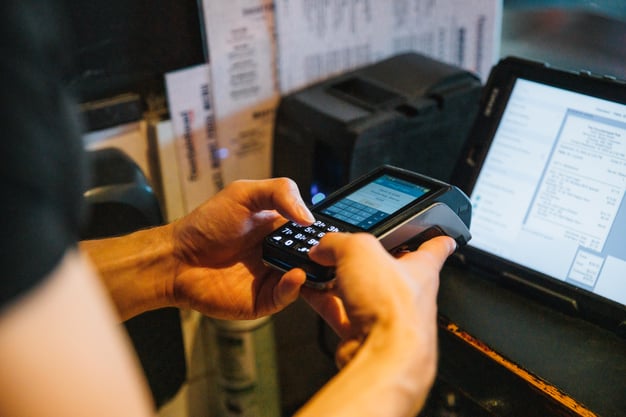
A disorganized back office can wreak havoc on your restaurant's profitability. Poor inventory management, for example, can lead to over-ordering ingredients that go to waste or under-ordering items that result in missed sales opportunities.
Inefficient processes for tracking expenses, vendor payments or labor costs can cause unnecessary overspending and missed opportunities to cut costs. Without clear financial oversight, it's nearly impossible to identify areas of improvement or increase operational efficiency, all of which are critical to maintaining healthy profit margins and fueling growth.
A digitized back office declutters your space and processes, ensuring that every dollar is accounted for and working toward your restaurant's success.
2. Your scalability
Whether you’ve got dreams of taking your business to a national or global level, adding a few additional units or expanding in smaller ways like menu expansion, it’s impossible to scale effectively without a game plan. That game plan begins with clear and concise processes and an organized back office.
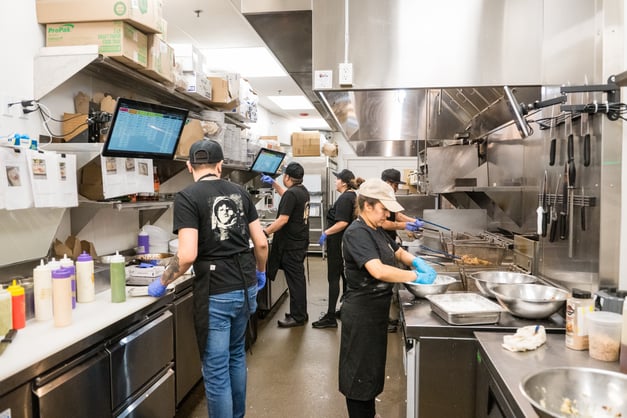
Think of scaling without clear processes like trying to cook in a messy kitchen, still doable, but more stressful and complicated than necessary. Disorganized systems for inventory, payroll, vendor management and reporting can become exponentially more chaotic as you add locations or expand your offerings. But a digitized back office provides a better foundation for scalable systems, allowing you to replicate success across new locations, maintain consistency, and handle increased demand without sacrificing quality or efficiency.
3. Standardizing procedures
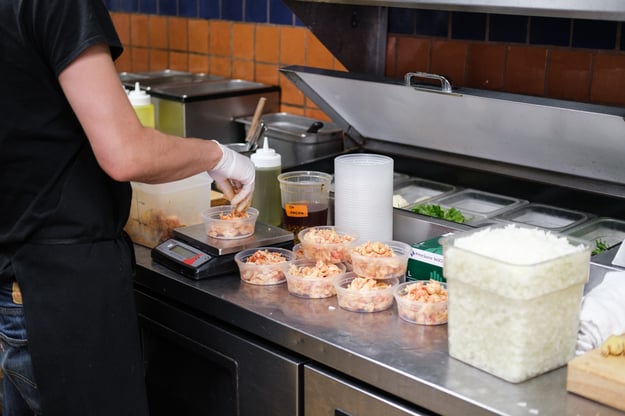
One key method to help grow your restaurant is standardizing procedures. Whether it’s standardized staff training or menu and portion control, ensuring your staff are all on the same page is crucial when trying to grow your business.
This can be incredibly difficult to do when your back office isn’t in its best condition. A back office that lacks digital tools can create scenarios like training manuals being misplaced, inaccurate inventory that makes it impossible to standardize portioning or failing to capitalize on opportunities for seasonal menus or promotional specials.
When you digitize your processes, you’ll be able to implement clear, repeatable processes and create a more efficient, scalable operation that supports your growth goals and ensures a consistent experience for both your team and your customers.
4. Rainy day planning
Every restaurant faces unexpected challenges, from sudden equipment breakdowns to unplanned staff shortages or slow business periods. Having a solid rainy day plan in place is essential to weathering these storms without derailing your operations. However, a not-so-digital back office can make it nearly impossible to prepare for the unexpected.
Disorganized financial records may leave you without a clear understanding of your cash flow, making it harder to set aside emergency funds. Poor inventory management can result in overstocking or understocking, leaving you unprepared for fluctuations in demand.
On top of that, a lack of standardized procedures can slow down your response to emergencies, whether it’s reallocating staff or adjusting your menu. When you digitize, you can organize your back office enough to create a plan B (and C, D and E), and build an operation that’s ready to adapt and thrive, no matter what challenges come your way.
5. Compliance
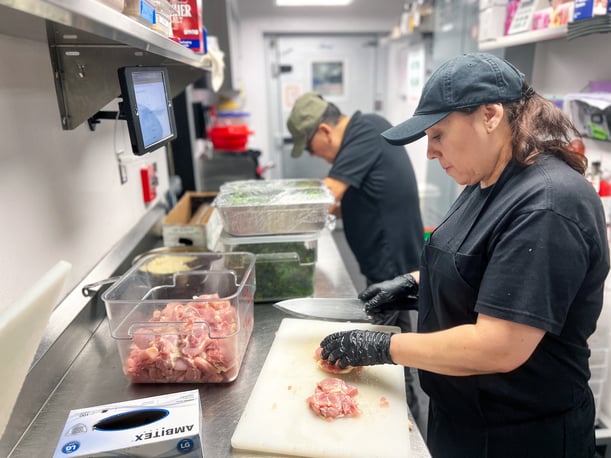
When it comes to maintaining compliance, a well-organized, digitized back office is a must-have. When your back office is in good shape, you can ensure that critical compliance requirements, such as health and safety standards, labor laws, tax filings and food safety regulations, are consistently met.
On the flip side, a messy back office can lead to some steep consequences. Disorganized payroll systems, for example, can lead to wage and hour violations, while poor documentation of food safety protocols can result in failed health inspections. Missing or misplaced permits, certifications or vendor contracts can leave your restaurant vulnerable to fines or legal action.
A lack of clear processes for tracking employee training or certifications can mean staff are not properly equipped to meet regulatory requirements. Having a neat back office does more than give you peace of mind; it ensures the safety of your customers, your staff and your business.
Now that you’ve identified a few ways your back office may be digging into your pockets and peace of mind, you’re ready to act. By starting with big picture goals, like more accurate inventory or standardizing staff training, you’ll slowly be able to peel away at the back-office hiccups that might be holding your business back.
Remember, don’t think of it as uprooting processes, but improving them. Keeping your back office tidy while juggling the many aspects of your business is no small feat, but it has a huge payoff. And with the right steps, you’ll be ready to take your business from stale to super sweet (okay, maybe we’re still thinking about that ice cream).
