

April 6, 2026
Oak and Ola, Tampa, Florida
It’s 2026, and while things might not be as futuristic as having flying cars and robots from The Jetsons just yet (although we do have those automated drink dispensers), there are more than a few things that will look different in the not-so-distant future. And for restaurant operators, this includes your back office.
The future is digital, and while manual back-office tasks have their place, they may not be able to keep up with an evolving industry. So why are digital back offices on the rise? How do you keep your business authentic when digitizing? And where can we get those cool space boots George Jetson had?
When it comes to operating a restaurant, trying to do so without an efficient back office is like trying to ride a bike without the wheels. Your back office is essential to staying on top of central parts of your business, from inventory to payroll to scheduling. But a new, digital age is on the rise, and not just with smartphones, virtual wallets or those scary robot movies.
Back offices are becoming digitized, and like many other previously manual processes, the automated age is likely here to stay. So how do you keep up with the times? How might a digital back office help you to run your business more efficiently, cutting costs and saving you time along the way?
![[Download Now]: Food Waste Calculator](https://no-cache.hubspot.com/cta/default/6423873/ac4e1e9a-7df9-4f58-b946-4bd3e60ec22f.png)
Before we get started, let’s look at manual vs digital processes for common back office tasks:
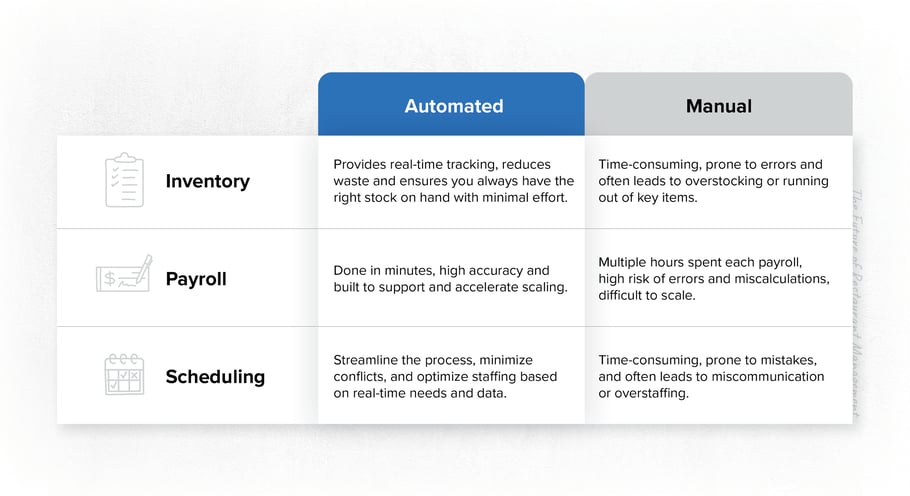
Now that we’ve compared the two, let’s take a deep dive into why digital back offices are on the rise and here to stay.
1. Efficiency
One of the number one reasons to go digital with your back office may have a little something to do with what you probably feel you need a lot more of: time.
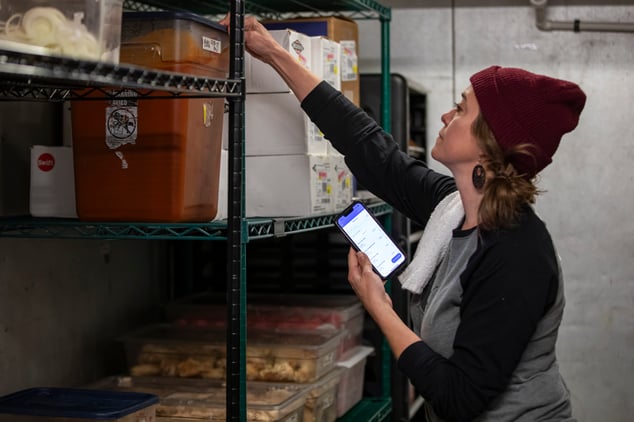
When you digitize your back office, manual tasks that used to bite off huge chunks of your day become bite-sized. For example, automated inventory tools can update food usage reports, track waste, adjust category totals and update products and prices, all automatically.
Automated back office systems also offer integration tools, combining things like inventory management, payroll systems and employee scheduling into a single platform. This eliminates the juggling and headaches of trying to connect multiple disconnected processes. When you digitize your back office, you not only save time but also reduce the risk of human error, ensuring smoother day-to-day operations and a more efficient business.
2. Cost-cutting
When it comes to avoidable expenses in your restaurant operations, there are a few major culprits: bad data, poor planning and common (but costly) manual miscalculations. When you tackle your entire back office to-do list by hand, it can be easy to make mistakes, overlook financial red flags or forget to include important numbers in your totals.
When your numbers are off, it becomes way more easier to over or under order inventory, over or underschedule staff or experience large amounts of preventable food waste.
We’re human and mistakes happen. But when your numbers are off for long enough, inaccurate data can put your restaurant in jeopardy. Automated systems can flag hiccups early on before they escalate, and provide real-time tracking for minimizing costly mistakes and tending to financial wounds early.
When you automate your back office, you get more accurate numbers, can make data-informed decisions based on real-time data points and don’t have to worry about manual mistakes costing you your business.
3. Competitive edge
The restaurant industry is a fierce business. When you digitize, you operate smarter, not harder, giving you an edge over competitors who may still be relying on manual processes.
A digital back office cuts down on errors, saves time and lets you focus on what really matters: delivering great customer service. When automated processes help smooth out the bumps in your operations, it also takes some stress off the staff.
This can improve the quality of service and your staff retention, making your restaurant the place folks would prefer to dine at and the place prospective staff will be looking to work at. Reducing the stress and chaos that manual processes can sometimes cause increases the attractiveness of your restaurant drastically, giving you more than one competitive advantage.

4. Scalability
Digitizing your back office doesn’t just make it more efficient; it makes it scalable. By automating processes and centralizing data, you create a system that can grow with your business, whether you’re opening new locations or expanding services.
It allows you to replicate successful strategies, maintain consistency and manage multiple operations without being bogged down by manual tasks. With the right digital tools in place, scaling becomes less about managing chaos and more about seizing opportunities, giving your restaurant the flexibility and agility to grow more easily in a competitive market.
5. Security and compliance
Now that you’ve got the right numbers, it’s time to make sure you have a system to protect sensitive data. Digitizing your restaurant's back office strengthens both security measures and ensures compliance, giving you peace of mind as you manage your business.
Digital systems help protect important data like employee records and financial information, with advanced encryption and secure access controls. They also make it easier to stay compliant with industry regulations, from food safety standards to labor laws, by automating record-keeping and generating accurate reports.
By reducing the risk of errors and breaches, a digitized back office not only safeguards your business but also builds trust with employees and customers, strengthening your reputation as a reliable and professional business.

Let’s face it, change can be scary. But like a lot of parts of life, facing the scary things usually comes with a huge payoff. When you digitize your back office, you relieve the burden caused by manual labor not only from your plate, but your staff’s as well.
With less stress, smoother processes, easier scalability and improved security, digital back offices can help you plan better, cut costs, and get some valuable time back in your pocket. Now that’s a future we can all look forward to
